
The Motivation Behind Gambling
The motivations driving individuals to gamble are often complex and multifaceted, intertwining personal desires, social influences, and environmental factors. Many gamblers are drawn to the thrill and excitement that comes with placing bets or participating in games of chance, especially when they explore options like betting canada , which can enhance the experience. This adrenaline rush can induce a euphoric state that keeps players returning, even in the face of potential financial losses. For some, gambling serves as a means of escapism, providing a temporary reprieve from daily stressors and immersing them in an alternate reality where fortunes can change in an instant.
Moreover, the social aspect of gambling plays a significant role in attracting individuals to casinos. People often visit these establishments not only to gamble but to engage in social interaction and enjoy shared experiences with friends or strangers. The communal atmosphere, characterized by the sounds of ringing slot machines and joyous cheers, enhances the overall enjoyment of gambling, making it an enticing activity. Such social engagement can create bonds and foster a sense of community among players, encouraging them to return for both the games and the camaraderie.
Additionally, the allure of winning and the potential for substantial financial gain can be powerful motivators. The prospect of hitting a big jackpot can easily overshadow the logical assessment of risks involved in gambling. This desire for reward, whether manifested through small wins or the hope of larger payouts, cultivates a conditioned response that may lead to habitual gambling. Understanding these underlying motivations is crucial for addressing responsible gambling practices, highlighting the importance of awareness regarding the delicate balance between entertainment and risk.
The Role of Cognitive Biases
Cognitive biases significantly shape the behavior and decision-making processes of casino gamblers. One prevalent bias is the illusion of control, where players mistakenly believe that they can influence the outcomes of inherently random games. For example, a player might think that selecting specific numbers or employing particular betting strategies will increase their chances of winning at a game like roulette. This belief can keep individuals engaged and willing to take greater risks, as they feel a sense of control over their gambling fate.
Another influential cognitive distortion is confirmation bias, where gamblers tend to remember their wins more vividly than their losses. This selective memory reinforces the belief that they possess a unique skill or talent for gambling. As a result, they may become overconfident and more likely to return to the casino in hopes of replicating past successes. The cumulative effect of these biases can cultivate unhealthy gambling habits, as players become blinded by their previous triumphs and ignore the statistical realities of the odds stacked against them.
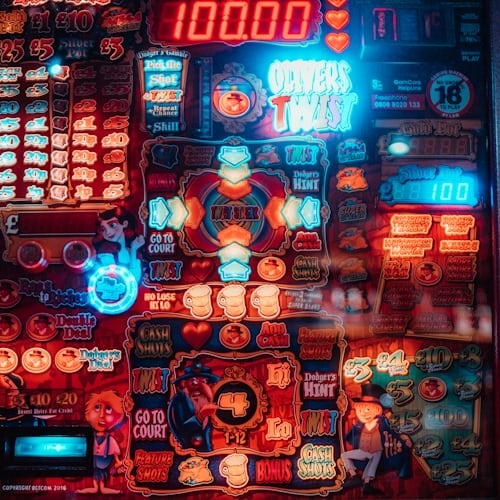
Furthermore, the gambler’s fallacy, a common misconception, leads individuals to believe that past outcomes can influence future results in random games. For instance, if a particular number has not appeared in a while, a player might assume it is «due» to come up soon, resulting in increased betting on that number. Such cognitive biases not only impact decision-making processes but also perpetuate a cycle of gambling behaviors that can be detrimental over time, reinforcing the need for awareness and education on these psychological phenomena.
The Emotional Rollercoaster of Gambling
The emotional experience of gambling can be incredibly intense and complex. Players often navigate a spectrum of emotions, ranging from excitement and hope at the start of a game to anxiety, frustration, or despair following a series of losses. This emotional rollercoaster is a fundamental aspect of gambling that keeps individuals engaged. The highs of winning, even if they are modest, can provide immediate gratification, releasing dopamine in the brain and further entrenching players in their gambling habits.
Conversely, the emotional toll of losing can lead to desperation, prompting individuals to chase their losses. This behavior, often referred to as «loss chasing,» occurs when gamblers increase their bets in an attempt to recover lost money. Such a cycle can become vicious, where losses lead to even greater risk-taking, resulting in further financial loss and emotional distress. Recognizing the emotional triggers associated with gambling is essential for identifying when individuals may need support or intervention to break free from this cycle.
Moreover, the social dynamics of gambling can amplify emotional responses. In a bustling casino environment, shared experiences of winning or losing can create contagious excitement or disappointment among players. The reactions of others, including cheers and celebrations, can heighten an individual’s emotional investment in the games being played. This social aspect blurs the lines between personal enjoyment and the risks associated with gambling, making it crucial for individuals to understand the emotional impact of their gambling activities and how it can affect their overall well-being.
The Impact of Environment and Design
The physical environment of a casino is meticulously crafted to influence gambler behavior significantly. Casinos employ bright lights, captivating décor, and strategically positioned sounds to evoke excitement and create an immersive experience. The layout is often designed to encourage movement between different gaming areas, ensuring that players are continually engaged and stimulated. This thoughtful design not only enhances the overall experience but also increases the likelihood of prolonged play, as gamblers find themselves drawn deeper into the casino’s allure.

Additionally, sensory stimuli play a crucial role in establishing an enticing atmosphere. The sounds of slot machines ringing, vibrant colors, and even the smell of complimentary beverages all contribute to creating a memorable experience for players. This sensory overload can distract from rational decision-making, leading individuals to gamble longer than they initially intended. The careful orchestration of the casino environment reinforces feelings of familiarity and comfort, inviting individuals to take risks that they might otherwise avoid in a more neutral setting.
In conjunction with environmental design, the presence of rewards and loyalty programs can significantly influence gambler behavior. Many casinos offer incentives, such as comp points, free drinks, or exclusive event access, to keep players engaged. These rewards reinforce positive behavior while fostering a sense of belonging within the gambling community. The brain quickly associates these incentives with enjoyable experiences, perpetuating the cycle of gambling despite the losses that may occur. Understanding the interplay between the physical environment and psychological influences is vital to comprehending why individuals continue to gamble, even when facing significant odds.
Resources and Support for Gamblers
Understanding the psychology behind gambling is essential for both individuals and organizations aiming to promote responsible gaming practices. Numerous resources are available for gamblers encountering difficulties, providing vital support systems to help them navigate their challenges. Organizations dedicated to assisting those affected by gambling addiction offer counseling, recovery programs, and educational resources designed to empower individuals to make informed decisions about their gambling habits. These resources can help gamblers identify the signs of problematic behavior and take proactive steps toward healthier choices.
Additionally, many casinos are increasingly recognizing their social responsibility and have begun implementing measures to promote responsible gambling. Initiatives may include self-exclusion programs, providing information on responsible gaming, and training staff to identify warning signs of addiction. By fostering a culture of awareness and support within gambling establishments, the industry can positively contribute to the well-being of its patrons and ensure that gambling remains an enjoyable activity for those who choose to participate.
Seeking help is often a vital first step in addressing gambling-related issues. Individuals may also find value in connecting with support groups where they can share experiences and learn from others facing similar challenges. The importance of open dialogue in these settings cannot be overstated, as it encourages a supportive community that can facilitate recovery. As society becomes more attuned to the complexities surrounding gambling behavior, we can nurture a healthier approach to its enjoyment while minimizing the associated risks.